


Most searched
Most frequently purchased

Most searched
Most frequently purchased
A small children’s room doesn’t have to mean big mess. With just a few clever solutions, even limited space can become functional, child-friendly, and easy to keep tidy. If you’re wondering how to store toys in a small room, this article will guide you through proven tips, smart organization ideas, and practical products – including SIPO toy baskets in XL and XXL sizes. Get inspired and create a space that grows along with your child!
When setting up a children’s room in a small apartment, we often face a tough question: how to store toys in a small room so it stays neat and functional, while still leaving space for play? The first step is to adopt a minimalist mindset — it doesn’t mean giving up on toys, but rather arranging them thoughtfully and intentionally. Start by sorting through the toys — keep the ones your child uses regularly, and store, rotate, or donate the rest. This makes it easier to maintain order and prevents the room from feeling cluttered.
In practice, this means planning the space with key zones in mind: a play area, a spot for rest and learning, and a designated storage area. In a small room, every centimeter counts.
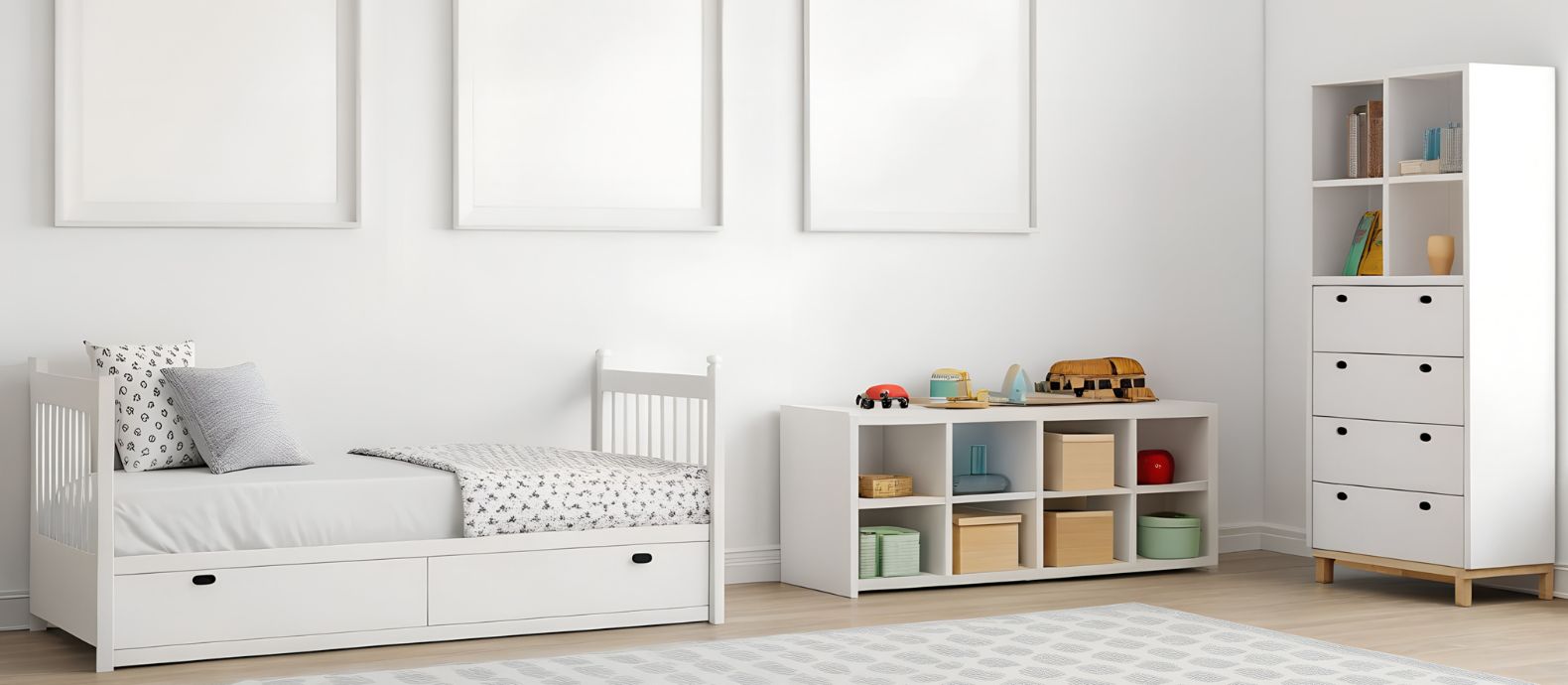
Choose multifunctional furniture: a bed with drawers, a low bookshelf, or a table with a shelf — these allow you to make the most of the available space. It’s also worth planning the layout based on functional zones — a play area in the center, with storage units placed around the edges of the room. A well-chosen color palette (light walls and neutral-toned furniture) can also make the room appear larger, which is especially important in small spaces. This kind of initial setup and toy selection is the foundation for making the most of a limited floor plan.
Once you’ve sorted through the toys and arranged the room functionally, it’s time to choose the right furniture and storage solutions to help keep things tidy every day. In small rooms, low shelving units with open shelves work perfectly — they’re easy to adjust to your child’s height. It’s best to place shelves along the walls to leave as much open floor space as possible in the center of the room. Many shelving units can be paired with bins or baskets — this keeps even a large number of toys neatly contained.
For older children, a table with compartments and storage surfaces is also a great idea — it’s perfect for storing building blocks, puppets, or arts and crafts materials, making clean-up after playtime quick and easy.
Another great option is to use shelves or mini-shelves placed above the level of children’s furniture — lightweight toy boxes or plastic bins work well here, especially for storing smaller items safely. It’s also worth considering furniture with hidden storage — classic toy chests, benches with built-in compartments, or beds with underbed drawers. These solutions make it easy to tidy up the room in just a few moments once playtime is over.
The key to success is consistency — teaching your child to put toys back in their place regularly, rather than leaving them scattered everywhere. With this habit in place, even a small room can stay organized, welcoming, and fully functional for your child.
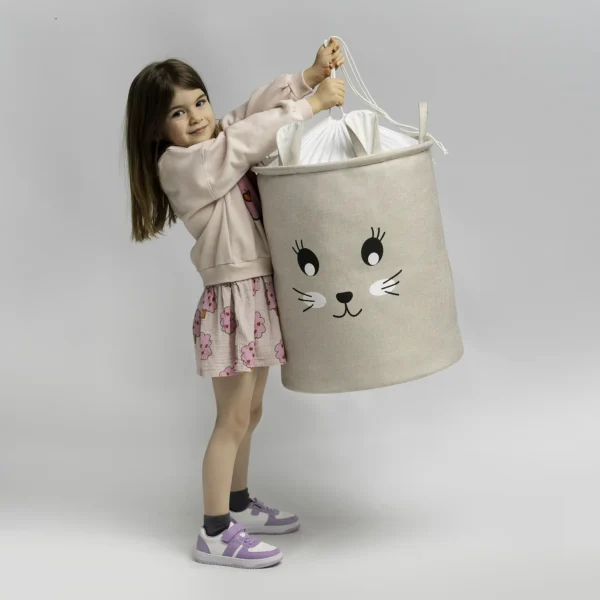
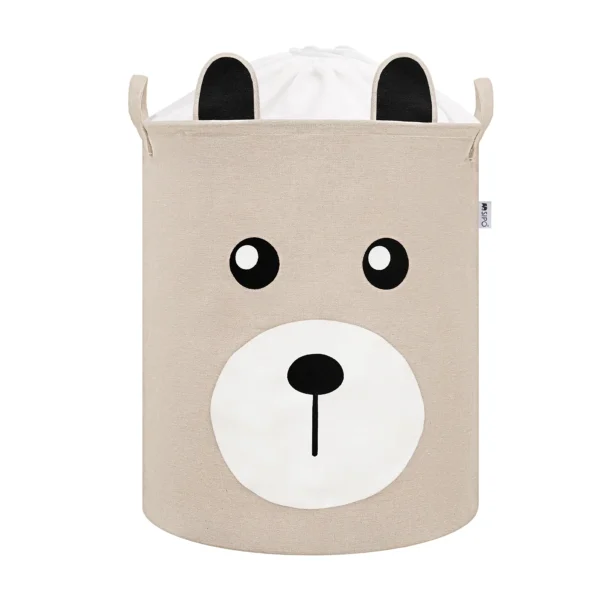
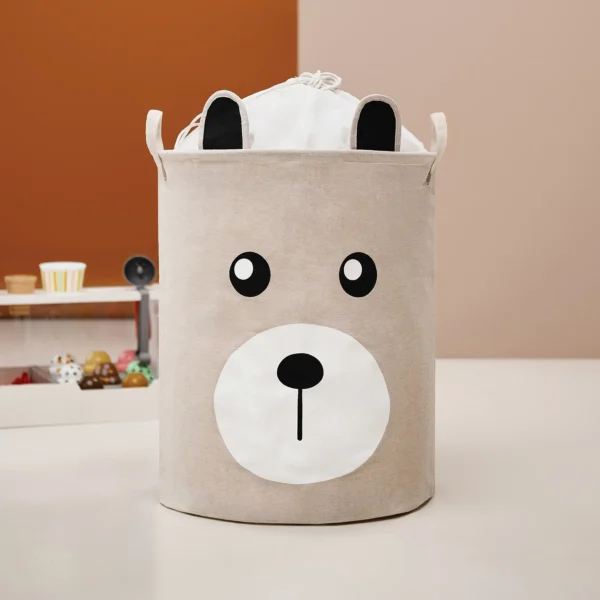
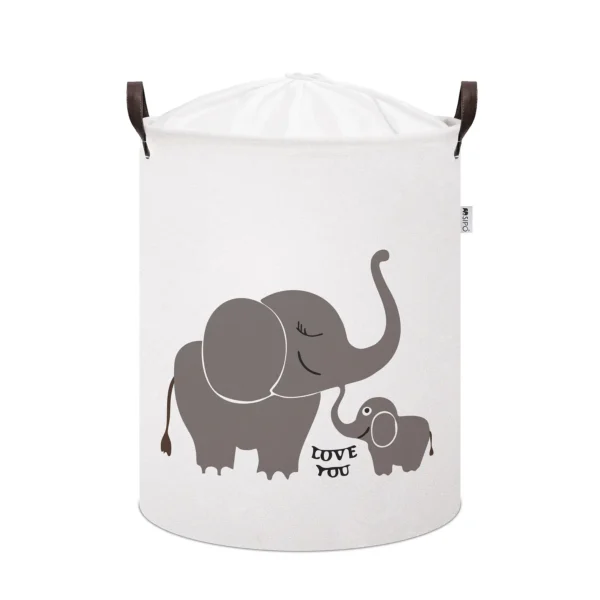
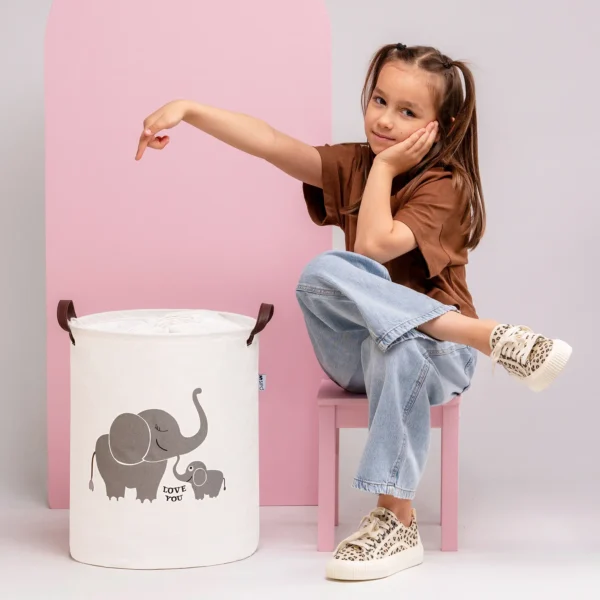
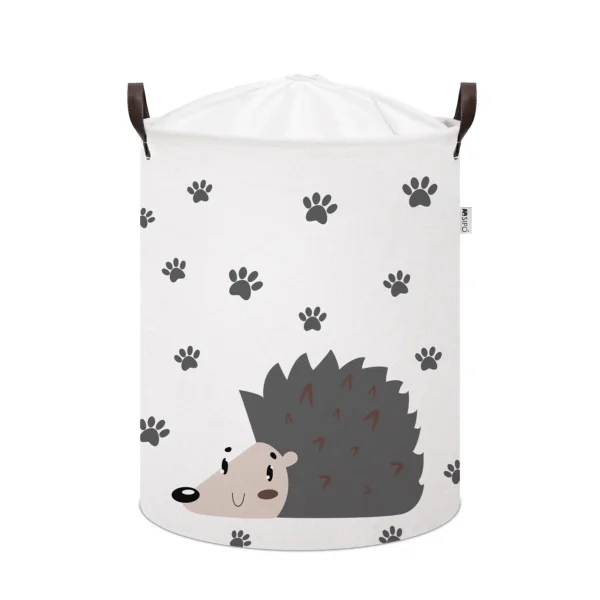
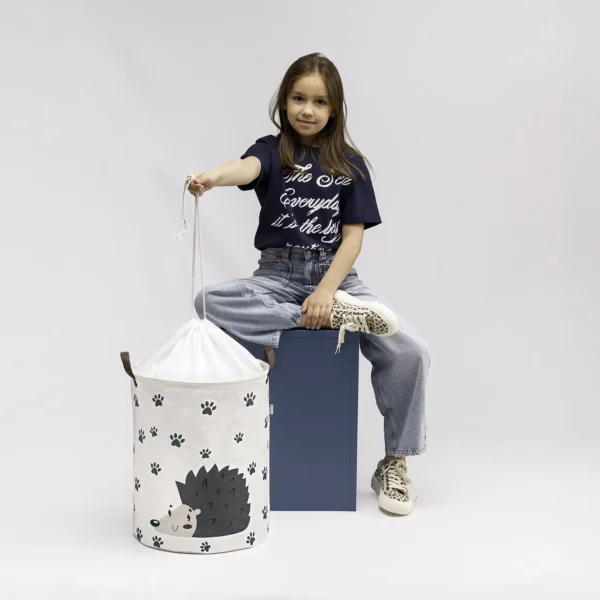
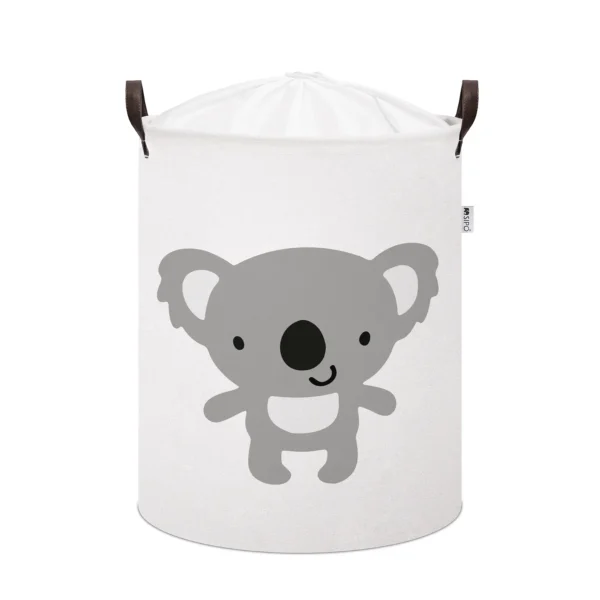
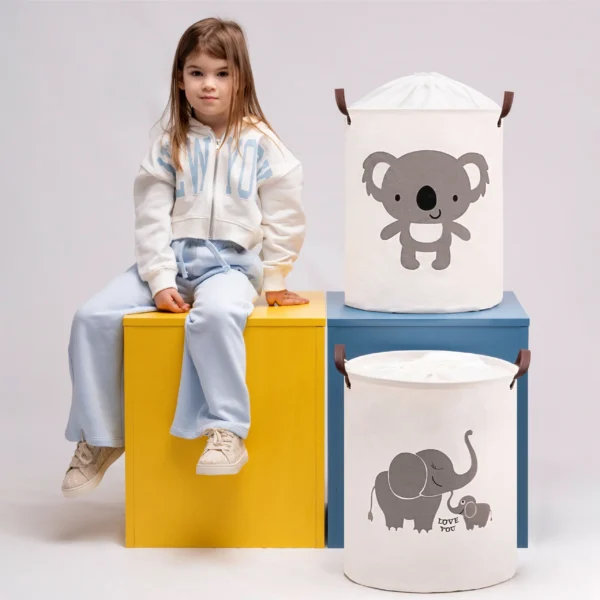
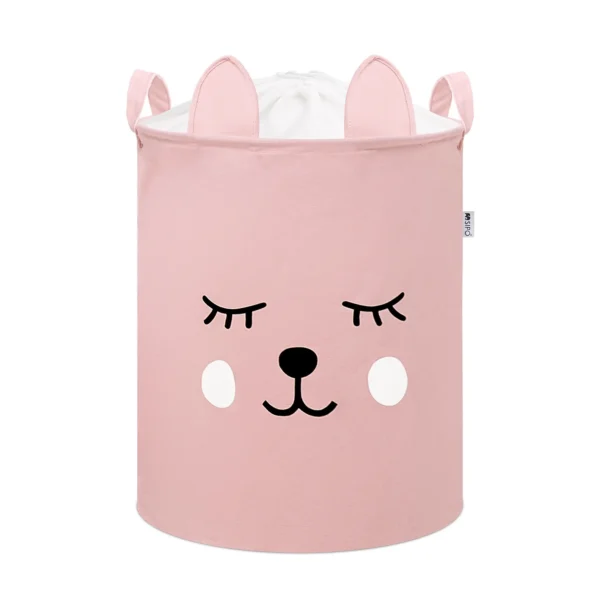
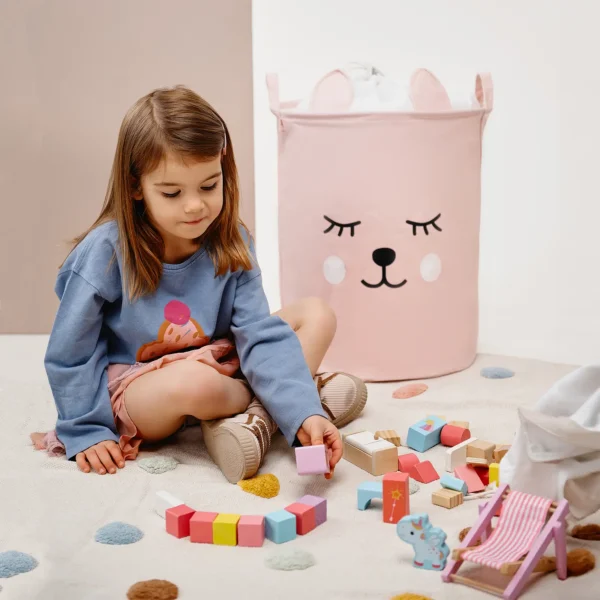
One of the simplest yet most effective ways to store toys in a small room is by using spacious baskets — especially when you choose products from a trusted brand. SIPO toy baskets, available in XL and XXL sizes, are a perfect solution for keeping things tidy and organized. Thanks to their large capacity, they can easily hold even bulky toys — like teddy bears, building blocks, large puzzles, or construction sets. Their size allows you to store a significant number of toys in one place, which is especially valuable in limited spaces.
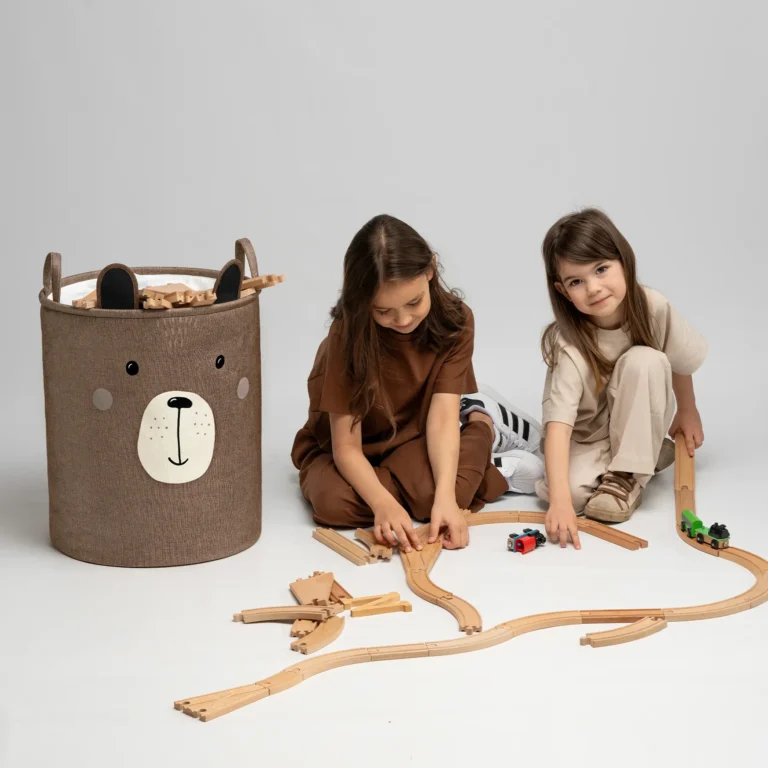
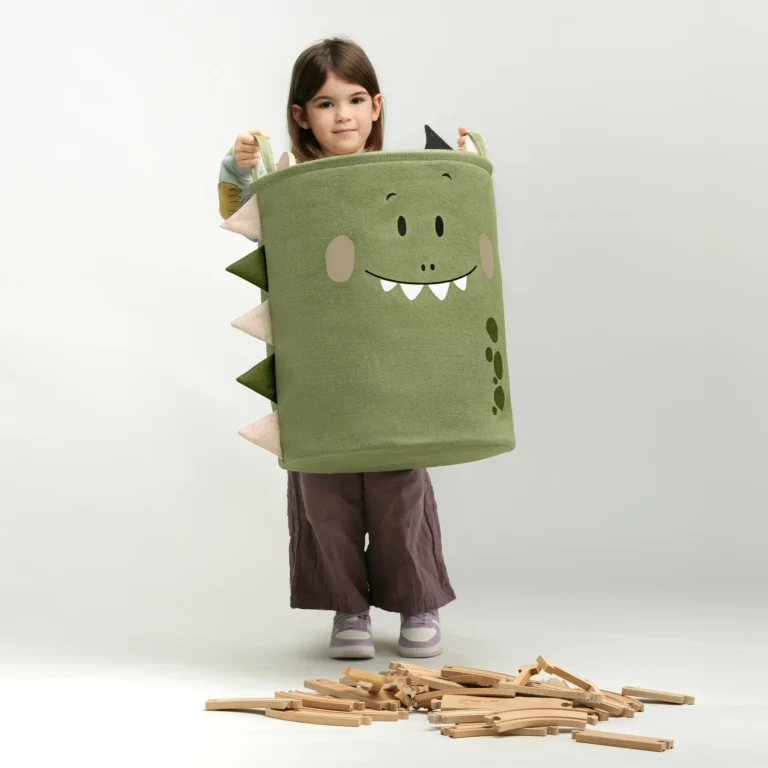
SIPO’s cotton toy baskets in size XL are perfect for organizing the toys your child still uses frequently — like stuffed animals, dolls, or large building blocks. You can place them on the floor in a corner of the room or slide them under the bed, making use of space that often goes unused.
On the other hand, the SIPO XXL toy storage baskets offer a great balance between capacity and aesthetics — they work beautifully as a central storage point for all the toys in the room. If the space is especially tight, you can keep the XXL basket in a closet or under the bed and simply take out only the toys your child wants to play with that day.
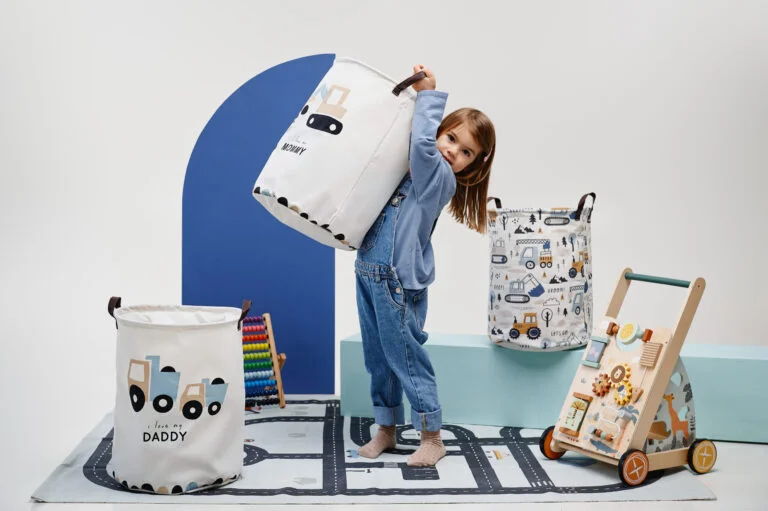
Another great advantage of SIPO baskets is that they are lightweight and easy to move — making tidying up or rearranging the room quick and effortless. Closed or compact containers also allow you to neatly hide what’s inside, which has a big impact on how the space feels visually.
Additionally, the simple design of SIPO baskets makes them a perfect fit for various interior styles — from Scandinavian minimalism, through classic children’s room decor, to modern and colorful spaces. For parents who want to combine functionality with a tidy look, SIPO XL and XXL baskets are a truly practical investment — especially in small rooms where every centimeter counts.
When the floor in your child’s room is already “reserved” for play and essential furniture, and space is really limited, it’s time to look up — and make use of the walls and surrounding vertical space. Wall-mounted shelves, easy-to-install bookcase-style racks, or modular units with pull-out drawers are excellent ways to maximize every bit of available room.
It’s important, however, to ensure shelves are placed at a height that’s safe and accessible for your child — or at least make sure they can easily reach the lower storage compartments.
A good practice is to place lightweight boxes or containers for small toys (like blocks, figurines, or craft sets) on these shelves — this helps avoid piles of toys cluttering the floor. Another effective solution is using wall-mounted toy organizers — fabric pockets, small shelves near the door, or hooks for toy bags.
If the room has a low ceiling, consider a tall, narrow shelving unit — slim but high. This kind of shelf can hold a large number of items while taking up minimal floor space.
Vertical storage not only saves space but also teaches children responsibility — when toys have a designated place, it’s easier for them to put things away and keep the room tidy.
What’s more, using walls and tall shelving units creates a sense of openness — the room doesn’t look cluttered, even when it’s still filled with toys.
Having the right baskets, furniture, or shelves is one thing — but what truly determines whether a room stays tidy on a daily basis is habits. Regular clean-up after playtime, putting toys back where they belong, and keeping new items under control are all key to avoiding chaos.
It’s helpful to build a routine: for example, a 30-minute tidy-up before dinner or bedtime. If your child is older, involve them in the process — teach them responsibility and how to take care of their belongings. When practiced consistently, this habit becomes your greatest ally: a room that has been properly organized once can stay neat for a long time.
Another good habit is doing a seasonal toy review every few months — go through what’s still being used, what your child has outgrown or lost interest in, and what can be donated or stored away. This is especially important in small spaces: fewer toys mean less cleaning, less clutter, and more room to play.
It’s also smart to store items seasonally — for example, keep outdoor toys elsewhere during summer, and winter-themed toys in a different room during warmer months, so they don’t take up valuable space unnecessarily.
Another helpful idea is to organize toys by category — blocks together, dolls in one spot, creative sets in another. This way, your child can easily find what they’re looking for, and clean-up becomes much quicker and more efficient.
In a small room, such simple rules often make the difference between a functional space and one that feels overcrowded.
When designing a child’s room, it’s wise to think ahead. Your little one today will soon grow into a school-aged child with new toys, books, and maybe even a study desk. That’s why it’s worth planning the space with flexibility in mind right from the start.
By choosing solutions like SIPO toy baskets, lightweight shelving units, storage boxes, and wall shelves, you’ll make future rearrangements much easier. As your child’s age and interests change, you can easily adapt the room’s layout: more bins for creative activities, fewer for toys, more shelves for books, and more room for learning and rest.
If possible, set aside one wall or a section of the room for a modular storage system — this way, you’ll be able to easily add or adjust shelves, baskets, or cabinets as your needs change.
It’s also worth considering the aesthetics — if the baskets and boxes are in neutral tones or match the room’s color scheme, the space will feel calm and open, and toy rotations won’t disrupt the overall harmony of the interior.
In conclusion, answering the question “how to store toys in a small room” requires strategic thinking: sorting toys, planning the layout, choosing the right furniture and containers, and building good organizational habits. With the right approach, even the tiniest room can become a functional, welcoming space for play, learning, and relaxation.
SIPO toy baskets in XL and XXL sizes are a great starting point — practical, stylish, and easy to adapt as your child grows. Thoughtfully planned organization is the key to creating harmony in a small space and ensuring daily comfort for both parent and child.
Similar products
Most searched
Most frequently purchased
No account yet?
Create an Account




Leave a Reply