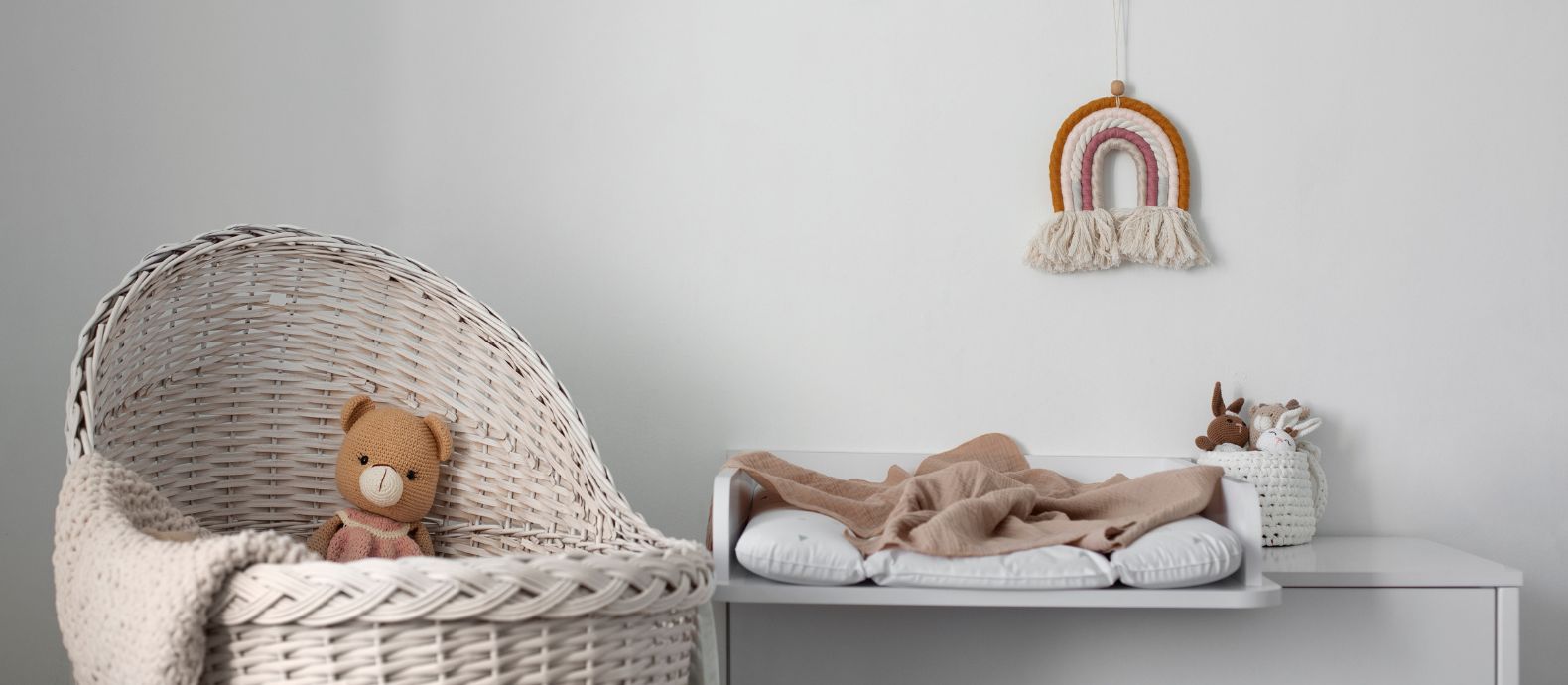
Minimalism in a child’s room is not just an interior design trend, but above all a way to create a space that supports the development, creativity and concentration of the youngest. How to decorate a child’s room in minimalist style so that it is functional, aesthetically pleasing and conducive to both learning and play? Here are proven solutions that will help you create the perfect interior – simpler, but no less inspiring.
Why go for minimalism in a child’s room?
Minimalism in a child’s room is more than just an aesthetic choice – it’s an approach that supports the development of the youngest in the most natural way. Simplicity in the arrangement allows the elimination of an excess of visual stimuli that can distract the child and make it difficult for him to concentrate. A space dominated by muted colors and thoughtful elements becomes a place conducive to both learning and relaxation.
Reducing the number of objects also means more order in the child’s environment, which has a direct impact on the child’s well-being and organizational ability. A room without excess stuff becomes more spacious and functional, which is especially important in smaller rooms. This gives the child more space for free play and creative activities, which positively affects his development.
A minimalist interior is also a practical solution for parents. Less stuff means easier cleanliness – both cleaning and organization of toys or accessories becomes simpler. At the same time, such a room grows together with the child – neutral colors and simple forms can be easily adapted to changing needs, without the need for major changes in the decor.
How to organize a space in a minimalist style?
- Choose functional furniture: Minimalism is simplicity, so your child’s room should contain only the essentials: a bed, a desk with an ergonomic chair, and a closet or dresser for clothes. Opt for furniture with simple lines and neutral colors that will bring harmony to the interior.
- Take care of your storage space: Organization is the key to success. To bring chaos under control, invest in toy garbage cans from the SIPO brand. These baskets not only help you clean up quickly, but thanks to their design, they become a room decoration. Check out the full range of SIPO storage baskets and choose the models that best match your interior style.
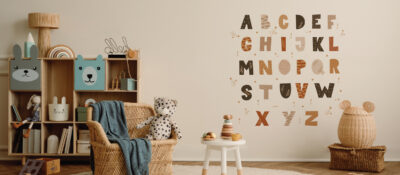
- Use the walls for decoration: Minimalism doesn’t mean giving up on decoration. Self-adhesive wall decals from SIPO are a great way to subtly spruce up a space. Choose delicate motifs that will bring coziness to a room while keeping it simple. Visit the category of wall stickers from SIPO to find inspiration perfect for your child.
How to create a learning zone in a child’s room?
The learning zone in a child’s room is a place that should promote focus and encourage work on school tasks and the development of interests. A well-designed environment affects the efficiency of learning and the comfort of the child. Here are some practical tips on how to furnish this space:
- Position the desk close to a window to provide natural light. Bright, daylight is crucial for a child’s eye health and concentration. A desk positioned near a window also allows for better ventilation, which helps keep the learning area fresh.
- Choose a simple desk and an ergonomic chair. A minimalist desk without unnecessary embellishments helps your child focus on tasks. In addition, an ergonomic chair with adjustable height and back support will help ensure proper posture, which is especially important during long hours of study.
- Ensure minimalism on your tabletop. A messy desk can be distracting, so it’s a good idea to keep the number of items to an absolute minimum. School supplies such as pens, pencils and scissors can be stored in aesthetically pleasing organizers or drawers.
- Avoid electronics in this area if they are not necessary for learning. Computers, tablets or phones should only be used for educational purposes. Too many electronic devices in the learning zone can distract the child and make it difficult to concentrate.
- Invest in proper lighting. After dark, it’s a good idea to turn on a desk lamp with adjustable light intensity so as not to tire your eyes. Choose a model with warm, neutral light that is less tiring to the eyes.
- Introduce inspirational touches. Children need motivation, so you can enhance the learning zone with delicate wall decals with motivational quotes or images that encourage creativity. Products from SIPO will do the job perfectly, adding character without overloading the space.
How to hide toys in a minimalist child’s room?
Toys are an integral part of childhood, but an excess of them can easily dominate a space, introducing chaos and a sense of clutter. A minimalist child’s room requires thoughtful solutions that will help keep things organized while allowing the child to play freely. Here are some effective ways to store toys in an aesthetically pleasing and functional way:
- Toy Baskets from SIPO. Baskets are one of the most versatile storage solutions. Products from the SIPO brand are distinguished by a stylish design that fits perfectly into minimalist interiors. Thanks to a variety of designs and sizes, they can easily fit into any child’s room. Storage baskets for toys are not only practical, but also aesthetically pleasing – you can set them on a bookcase or place them in a corner of the room as a decorative element. Check out SIPO’s range of storage baskets to find the perfect model for your interior.
- Cabinets and chests with hidden space for toys. Choose furniture that combines storage function with aesthetics. Cabinets with lockable doors or crates with soft seating are the perfect solution. They keep toys out of sight while still being easily accessible to your child. Make sure the furniture has a simple design that coordinates with the room’s minimalist style.
- Toy rotation system. Toy rotation is a method that helps keep things in order while increasing a child’s interest in their treasures. It involves keeping only a few favorite toys in the room at a time, and keeping the rest hidden, such as in the closet, in toy garbage cans or on shelves. After a while, swap them out for others, making the child’s toys feel new and more appealing.
- Thoughtful storage on the walls. If you’re short on floor space, you can make use of wall space. Hanging organizers, shelves or toy bags are practical solutions to keep more space in the room. However, remember to avoid excess so that the walls don’t become overwhelming.
- Multifunctional spaces.Introduce multifunctional furniture into the room, such as beds with drawers or poufs with hidden storage. Such solutions allow you to cleverly hide toys, while saving space and bringing harmony to the interior.
- The principle of “less is more”.In a minimalist room, the key is to limit the number of toys. Think through which items are really needed, and which can be given away or stored elsewhere. Applying this principle will help keep your child’s room tidy and balanced.
Toy garbage cans – functionality and order in one
Toy baskets are one of the most practical and stylish solutions that fit perfectly in a minimalist child’s room. These capacious accessories play a dual role – they help keep things in order, and at the same time are an attractive decorative element that brings harmony to the space. Thanks to them, toys, books, teddy bears or blocks find their permanent place, which makes children learn organization and responsibility for their things.
Baskets by SIPO, are characterized not only by their functionality, but also by their aesthetics, which perfectly fit into minimalist interiors – their simple but modern designs fit into any arrangement, without overwhelming the space. Toy storage baskets are also ideal for hiding toys, which in a minimalist room is key to maintaining order and visually enlarging the space. With such solutions, children have easy access to their favorite items, and parents gain a simpler life, keeping the room tidy without too much effort.
What colors to choose for a minimalist child’s room?
Colors play a key role in creating the atmosphere of a child’s room. In a minimalist interior, it is best to rely on neutral colors that do not overwhelm the space, but promote concentration and relaxation. Subdued colors help to create a harmonious and peaceful environment in which the child can both rest and grow. Here are some tried-and-true tips on how to choose colors for a minimalist child’s room:
- White – is a timeless and versatile color that visually enlarges the space and introduces a sense of freshness. White is perfect on walls, furniture and accessories. Juxtaposed with the right accessories, it can look both classic and modern.
- Gray – this is another excellent choice, which introduces elegance and modernity without overwhelming the interior. Gray is so versatile that it fits both in the room of a baby and an older child. In combination with white or pastel accessories, it creates a calm but interesting space.
- Pastel shades – delicate colors, such as powder pink, blue, mint or light beige, fit perfectly into the minimalist style, adding warmth and coziness to the interior. Pastel walls or accents in the form of bedding, curtains or pillows will bring subtle joy and gentleness to the child’s room, without overwhelming it with excessive colors.
- Darker accents – although minimalism is associated with light colors, it’s worth adding some contrast so that the interior is not too monotonous. Darker colors, such as navy blue, graphite or dark brown, can be used for accents, such as picture frames, lamps or pillows.
- Colorful accents – a minimalist interior doesn’t have to be boring! Although the background should remain neutral, it’s worth adding some distinctive accents to liven up the space. Wall stickers with subtle patterns, such as clouds, stars, animals or geometric shapes, are a great way to introduce color without overloading the room. Such decorations in the form of self-adhesive stickers from SIPO will add an individual touch to the space, while not disrupting the minimalist style. You can also reach for colorful accents in bedding, toys or toy baskets SIPO, which combine functionality with aesthetics, bringing subtle but striking hues to a child’s room.
Self-adhesive stickers – a subtle decoration that enlivens a minimalist child’s room
Self-adhesive stickers are an excellent solution that combines decorative function with practicality in a minimalist child’s room. Their greatest advantage is that they allow you to quickly introduce color and character into the interior of a child’s room.
In a minimalist style, where less is more, stickers for a child’s room are a great way to add subtle accents that don’t overwhelm, but add a cozy and personal touch. The choice of motifs – from delicate clouds to geometric shapes or animals – makes it easy to personalize a room without disturbing its simplicity.
With wall stickers, a child can enjoy charming decoration that supports his imagination, while parents avoid the need to paint walls or hang heavy pictures. What’s more, stickers are easy to apply and remove, which means that rearranging a room can be quick and hassle-free, and the child’s room grows with his needs and tastes.
What are the benefits of a minimalist child’s room?
A minimalist child’s room is a space that promotes harmony, organization and effective development. The decision to furnish a room in a simple, functional style has many advantages that translate into the daily life of the child and parents. Here are some key benefits:
- Improved concentration and learning. A minimalist room, devoid of excess objects, provides a conducive environment for learning and concentration. Fewer distractions mean a child will focus more easily on tasks, resulting in better school performance and a greater desire to learn.
- More space for play.Spaciousness is one of the most important advantages of a minimalist room. Limiting the number of furniture and objects that can take up valuable space allows you to move freely around the room and use it for play. More space gives the child the opportunity to develop different passions – from drawing to building to dancing or movement games.
- Easier cleaning. Minimalism also saves time and energy in daily chores. Simple, functional storage solutions, such as aesthetically pleasing toy garbage cans, drawers and shelving, allow you to clean up your room quickly.
- Better organization of space.A minimalist child’s room is also a space where every item has its place. With thoughtful organization of furniture and accessories, it’s easier to stay organized, and it’s easier to make sure that the child knows where each item is.
- Stimulating creativity.A simple space with a limited number of stimuli promotes the development of imagination. When a child has fewer objects at his disposal, he is more likely to create his own games and engage in creative activities. Minimalism allows the child to focus on what is truly inspiring, and instead of ready-made toy sets, the child can create his own stories, constructions or drawings.
A minimalist child’s room is the ideal solution for parents who want to create a space that is functional, aesthetically pleasing and conducive to the development of a toddler. Limiting the number of furniture and objects allows you to keep things in order, which contributes to better concentration of the child and more freedom to play. In a minimalist interior, every element, such as wall decals, toy baskets or simple, ergonomic furniture, plays an important role, taking care of the aesthetics and functionality of the room. In addition, neutral colors and thoughtful accents bring harmony without overwhelming the space. This kind of arrangement not only makes daily life easier for parents, but also allows the child to develop imagination and learn organization. Minimalism in a child’s room is an investment in order, creativity and comfort – both for the toddler and for the whole family.
About Zespół SIPO
Tworzymy markę SIPO jako rodzice, którzy na co dzień mierzą się z tymi samymi wyzwaniami - dlatego projektujemy bezpieczne i praktyczne rozwiązania, które naprawdę ułatwiają życie z dzieckiem. Zajrzyj po praktyczne wskazówki i produkty, które sami wykorzystujemy na co dzień.
View all posts by Zespół SIPO