Guides

Which child’s room decorations should you choose? Check out our ideas

Which child’s room decorations should you choose?

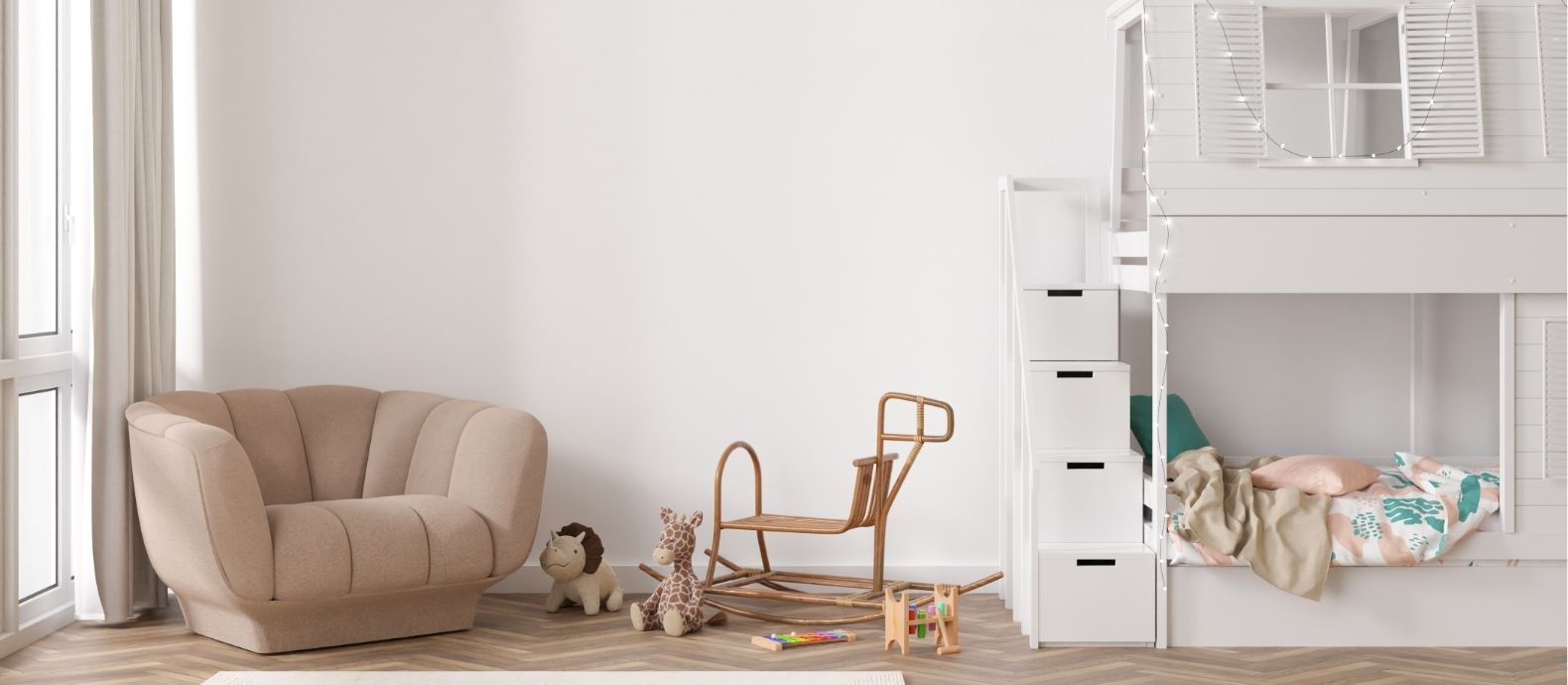
Designing a child’s room is no small feat — especially if you want it to be functional, beautiful, and safe all at once. Decorations play a crucial role in that process. They give the room character, support the child’s development, and help keep daily life organized. See which decorations for a child’s room are worth choosing, and which can work both for an infant and a preschooler.

How to Create a Magical Yet Functional Space for a Child?

Decorations in a child’s room are key to shaping a space that not only pleases the eye but also supports a child’s growth and meets their needs. Decorations establish atmosphere, inspire play, assist learning, and foster a sense of security. Every parent wants their child’s room to feel good at all times of the day — and that’s exactly what well-chosen decor can help achieve.

Contrary to what one might think, designing a wonderful room doesn’t require splurging on the most fashionable items. What matters most is thoughtfulness, cohesion, and practicality. Decorations in a child’s room should be intentional — not only pretty, but serving clear functions.

What do good decorations bring?

  • Functional zones — well-designed decor can help define play, study, and rest areas.
  • Sense of security — familiar colors and patterns can help a child calm down more easily, especially in the evening.
  • Aesthetics and order — baskets, boxes, and textiles help organize space, making everyday life smoother.
  • Educational elements — maps, letters, animals — these can entertain and teach at the same time.

When planning decorations, imagine the child’s room as their little world — a place where every day they discover something new. Decorations should invite creativity but also provide calm and comfort after a day full of activity.

Color Themes and Motifs for the Child’s Room — Where to Start?

Before diving into specific decor items, pause and reflect: what overall effect do you want? Should the room be a serene pastel oasis? Or a vibrant, colorful playground? The color palette and motif are the structural foundation of your design — they determine harmony and visual coherence.

Which colors work best in a child’s room?

  • Pastels (sky blue, mint, blush, beige): excellent for very young children. They calm, relax, and create a soothing atmosphere.
  • Earth tones (olive, caramel, sandy, terracotta): trendy and versatile. Pair well with wood and natural fabrics.
  • Bold accents (mustard, navy, fuchsia): best used sparingly in pillows, wall art, or lamps.

When selecting colors, consider the child’s age: infants benefit more from gentle, predictable surroundings, while older kids may appreciate more visual stimulation.

Ideas for a themed motif in the child’s room:

  • Forest world — motifs of trees, leaves, woodland animals (foxes, deer, owls). Great in natural-style interiors with lots of wood and greenery.
  • Space adventures — rockets, planets, stars, moon scenes. Works well with darker backgrounds and glow-in-the-dark elements.
  • Fairytale land — unicorns, fairies, dragons, castles. Easy to update as the child’s tastes evolve.
  • Scandinavian style — whites, grays, simple forms and functionality. This is a neutral base for adding colorful decor that can be changed.

Make sure the motif is reflected not only in wall prints or stickers but in textiles, toy baskets, and lighting too. That way you build a unified space that’s beautiful and also developmentally supportive.

Wall Stickers for the Child’s Room — A Quick Makeover Without a Renovation

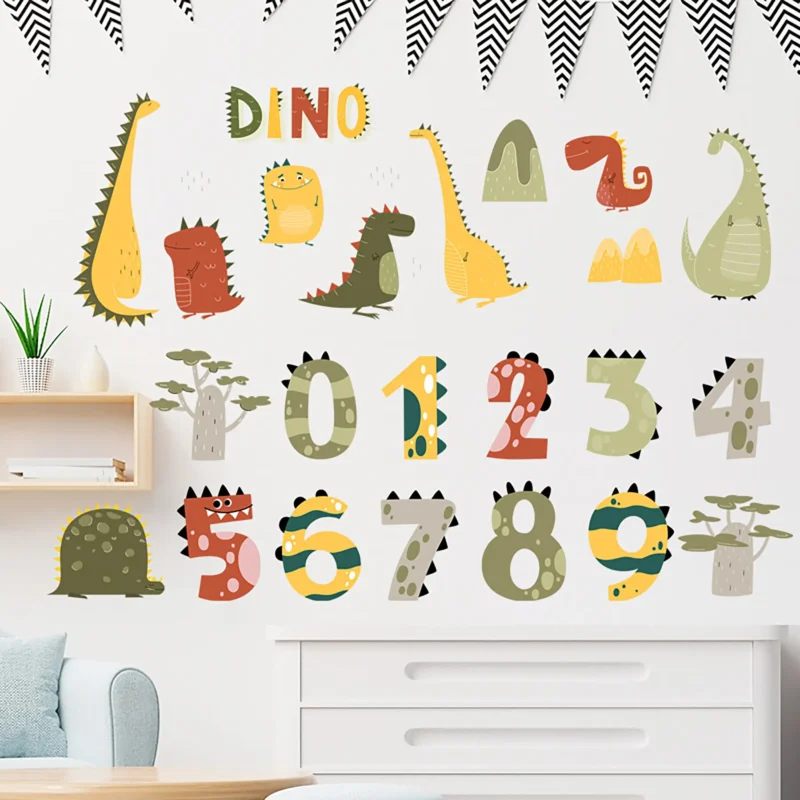
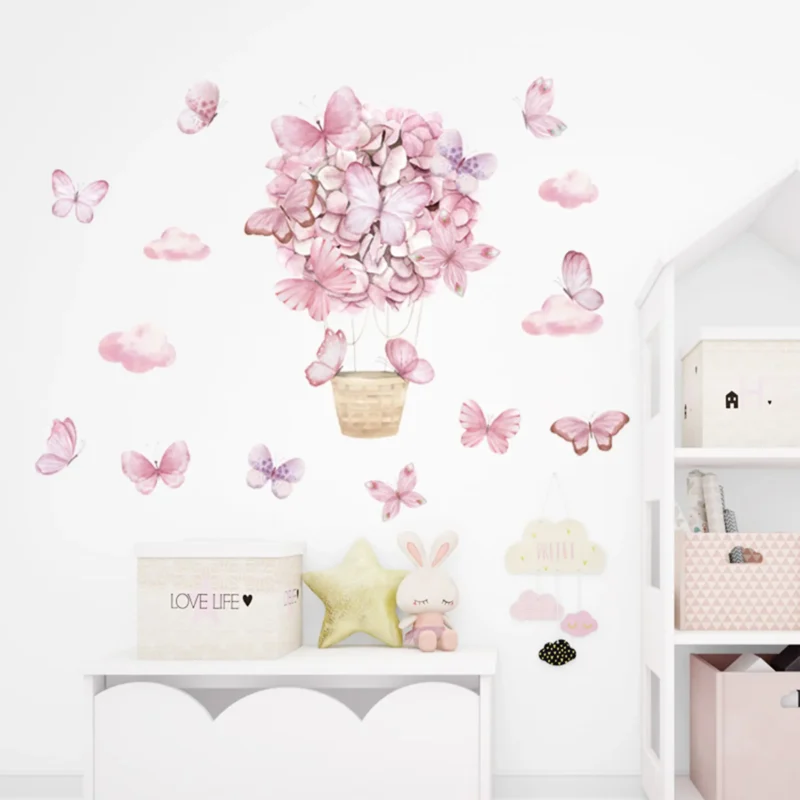
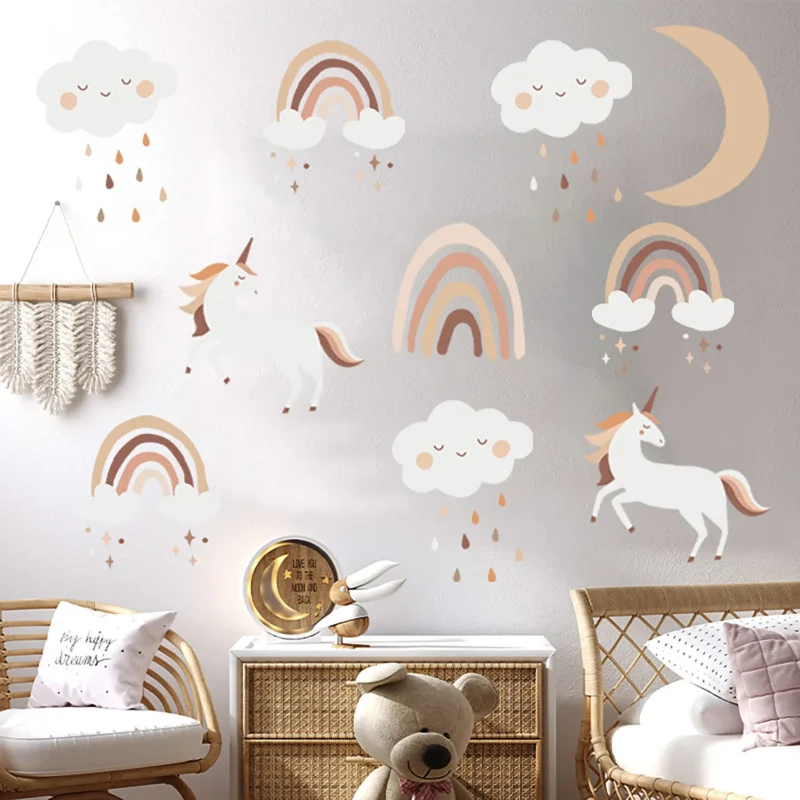
You don’t need a full renovation to completely transform a child’s room. Decorative wall stickers are perfect: in minutes they can bring color, whimsy, and joy. They are among the most flexible and effective choices for decorations for a child’s room.

Why parents love wall stickers:

  • Fast change, zero mess — installation doesn’t require tools, glue, or drilling. Just stick and you’re done.
  • Safe and non-toxic — good-quality wall decals are made with kids in mind, free from harmful substances.
  • Non-destructive to walls — easy to peel off without leaving residue, making them ideal in rentals or when frequent makeovers are desired.
  • Educational support — choose motifs like alphabets, numbers, seasons, or animals with labels — children learn as they play.
  • Adaptable to age and taste — there are designs for infants, preschoolers, even older kids — from simple dots and clouds to maps and realistic illustrations.

Wall stickers are a cost-effective, decor-flexible solution that children typically love.
Toy Baskets – A Decorative Way to Keep Things Tidy

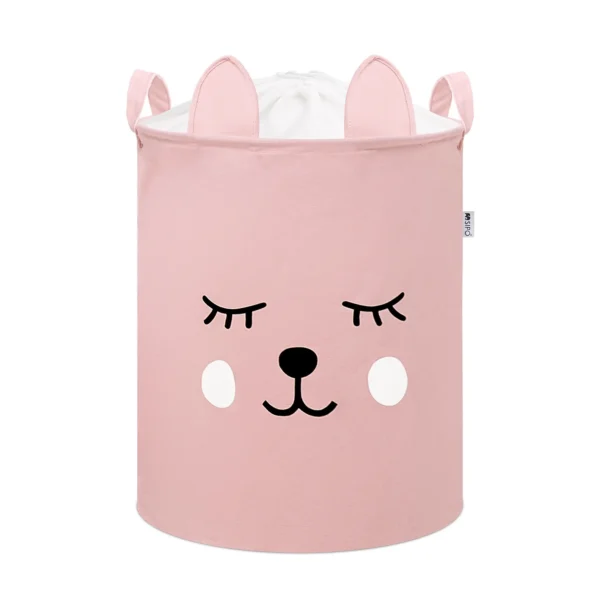
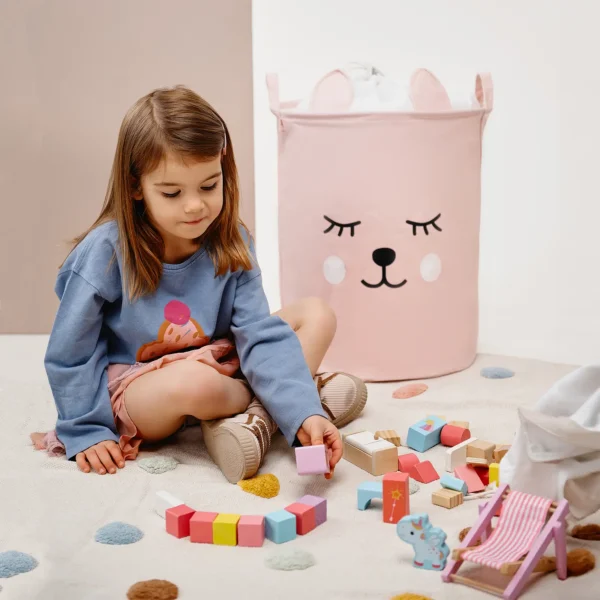
Every parent knows that moment: in just a few minutes, a child’s room can go from “neat and peaceful” to “complete toy explosion.” Keeping order in a kid’s room can be a challenge — but toy baskets come to the rescue. They’re functional, spacious, and… surprisingly stylish.

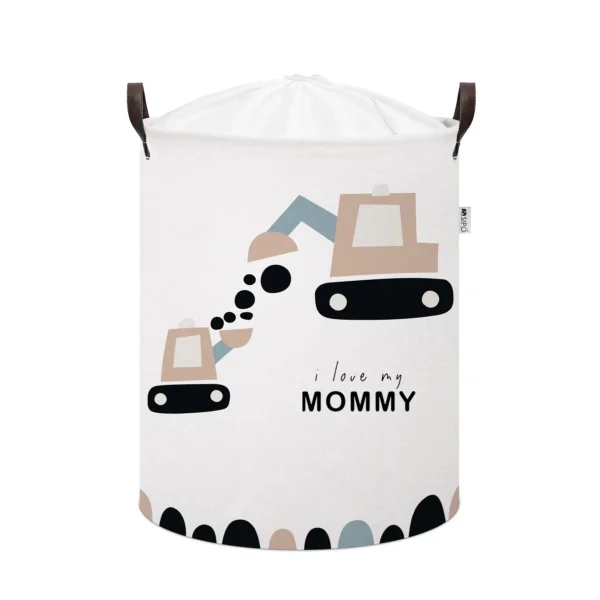
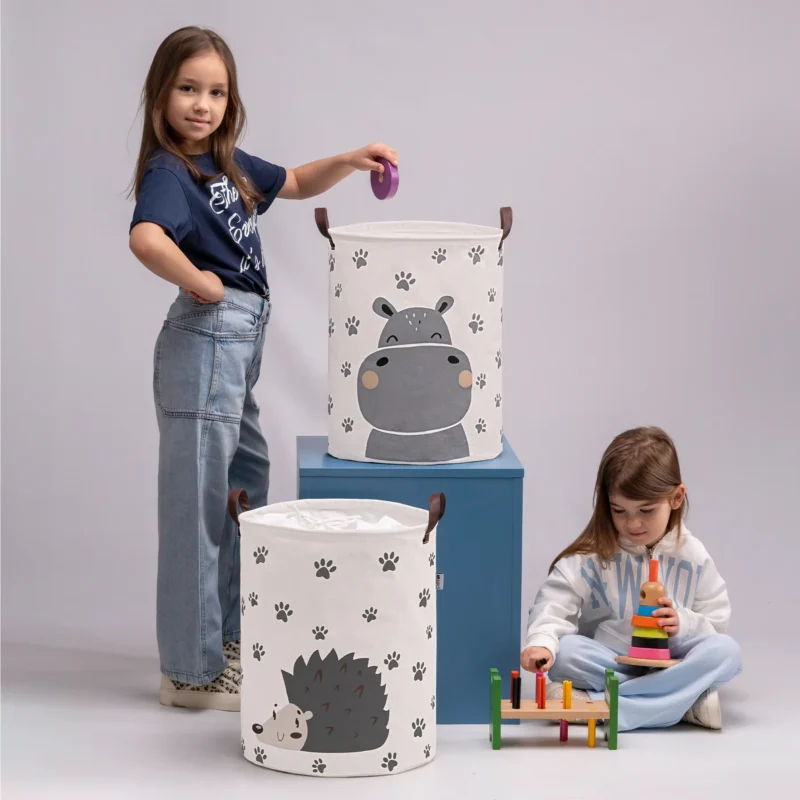
They’re not just practical storage for plushies, blocks, or dolls — they’re also beautiful decorations for a child’s room that enhance the interior and bring visual harmony.

Why Invest in Good Toy Baskets?
  • Aesthetic Appeal That Matches the Interior
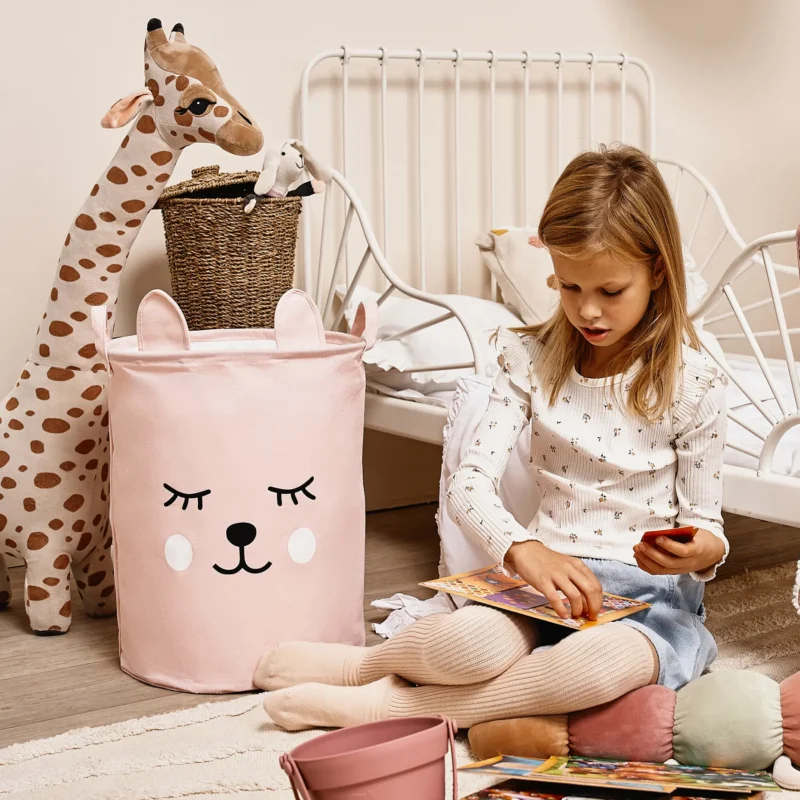
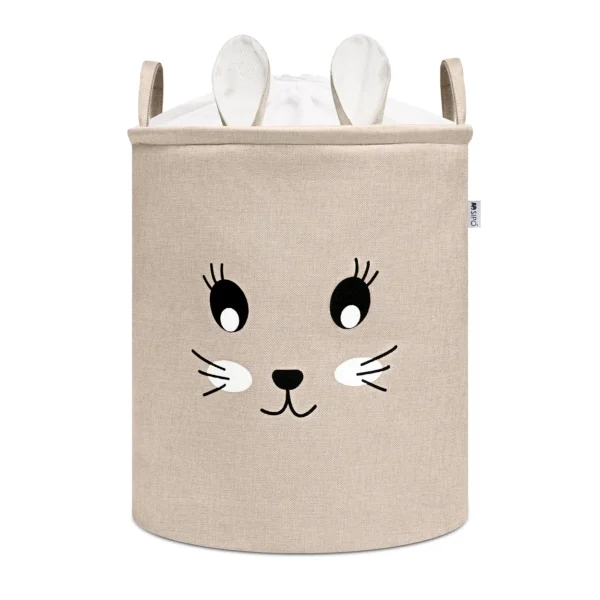
    Shops offer toy baskets in a variety of patterns and colors — from animal-shaped models (like owls, foxes, or bunnies), to minimalist beige or gray bins, to colorful containers with geometric prints. This means you can easily match them with a Scandinavian-style room or a fairy-tale themed space.
  • Variety of Shapes and Sizes
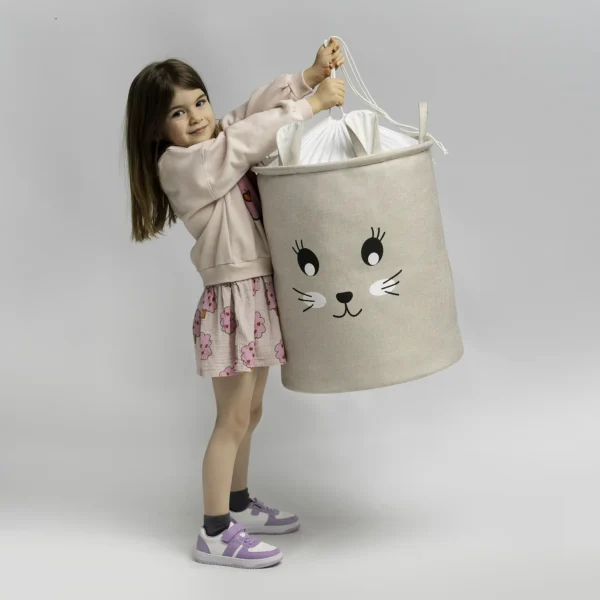
    Not every child’s room has a lot of space — which is why it’s worth using baskets that fit the room’s layout. Small fabric bins are perfect for shelves, larger ones can serve as freestanding containers for stuffed animals, and drawstring sacks are ideal for moving toys between rooms.
  • Safe and Child-Friendly Materials
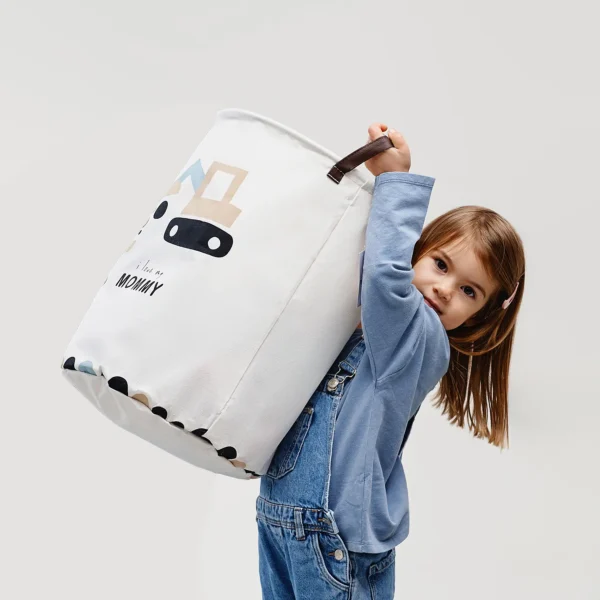
    Toy baskets made from cotton, felt, rope, or linen are soft to the touch and lightweight, making them easy for children to carry by themselves. Plus, they have no sharp edges or hard parts that could be hazardous.
  • Teaching Order Through Play
    Toy baskets can also be educational tools — they help children understand that every toy has its place. You can label baskets with symbols (e.g., car, book, teddy) or create a bedtime clean-up ritual — make it fun, like a race or “sending toys to their little homes.”
  • Practical and Portable
    Baskets with handles are especially convenient — you can move them, reposition them, or fold them when not in use. This is super helpful in small apartments or when the child’s room also doubles as a study area.

How to Match Storage Baskets with Your Room’s Style?

In a room with a neutral color palette, you can add toy baskets in bold colors — they’ll become an eye-catching decorative element.
If your theme is nature-inspired, go for baskets with leafy patterns or ones shaped like animals.
For minimalist interiors, simple, monochromatic bins made from natural fabrics work perfectly.

Toy baskets are an absolute must-have in a child’s room — not only do they help maintain order, but they also contribute to a cohesive and child-friendly look. They teach independence and can even become a toy in themselves. Most importantly, they turn evening clean-up time from a struggle into a part of your family’s routine.

Textiles and Lighting in a Child’s Room

Textiles and lighting are the foundation of a cozy atmosphere in a child’s room. They largely determine the level of comfort — both physical and emotional. Decorations for a child’s room in the form of pillows, curtains, rugs, or lights can transform the interior, making it warmer, more homely, and perfect for winding down.

Textiles – Soft, Colorful, and Practical

When choosing textiles, don’t just focus on the design — pay attention to fabric quality. Ideally, they should be machine-washable, pleasant to touch, and safe for sensitive skin.

  • Rug – soft and warm underfoot, perfect for floor play. Non-slip backing is a must-have.
  • Decorative pillows – in shapes like stars, clouds, or animals. Great for beds, chairs, or the floor.
  • Curtains and sheer drapes – not only block light, but also absorb sound and complete the room’s style.
  • Bedding and bedspreads – whether featuring favorite cartoons or neutral patterns, they should match the rest of the decor easily.

Lighting – Warm and Functional

Lighting in a child’s room should be soft but bright enough for play and reading. A mix of light sources works best — one main light and several smaller ones.

  • Night lights – offer a sense of security in the dark. Look for dusk sensors or touch controls for extra convenience.
  • String lights – perfect for above the bed, shelves, or play corners. They add a magical touch.
  • LED lamps – energy-efficient, long-lasting, and safe. Available in playful shapes like moons, bears, or cars.

Well-chosen textiles and lighting can completely change the feel of the room — even if everything else stays simple. They’re also an easy, budget-friendly way to refresh the space without major renovations.

Decorations That Grow with Your Child – Designing with the Future in Mind

A child’s room is a space that evolves as they grow — which is why it’s smart to choose decorations that are flexible, timeless, and easy to adapt. When designing the room, think not only about the toddler years, but also how the space can serve your child in a year or two.

How to Choose Long-Term Decorations for a Child’s Room?

  • Universal colors and shapes – instead of overly childish themes, go for patterns like stars, geometric shapes, or neutral pastels that work at any age.
  • Modular solutions – shelves, boards, and organizers that are easy to move and update.
  • DIY and personalized decor – name signs, framed drawings, posters — easy to swap out and tailor to changing interests.
  • Mobile decor elements – lamps, garlands, rugs, and toy baskets that can be rearranged or used in other rooms.

Parent Tips:

  • Make small changes every six months – swap out a few accessories, rearrange furniture, or add new accents.
  • Let your child co-create the space – older kids can help choose posters, pillow colors, or wall sticker designs.
  • Don’t overdo it – too many decorations can overwhelm the space. It’s better to pick a few impactful and functional pieces.

With this approach, your child’s room will be not only beautiful but also ready to adapt to all the stages of growing up — from baby steps to preschool adventures and the early school years.